Aviation chiefs rejected measures to curb climate impact of jet vapours
Started by Milton Shikuku
Posted 03/19/2023 09:16AM
Milton Shikuku
Show actions
Forum Member
Join date: Mar 2023
Location:
Posts: 23
Airlines and airports opposed measures to combat global warming caused by jet vapour trails that evidence suggests account for more than half of the aviation industry’s climate impact, new documents reveal.
The industry argued in government submissions that the science was not “robust” enough to justify reduction targets for these non-CO2 emissions. Scientists say the climate impact of vapour trails, or contrails, has been known for more than two decades, with one accusing the industry of a “typical climate denialist strategy”.
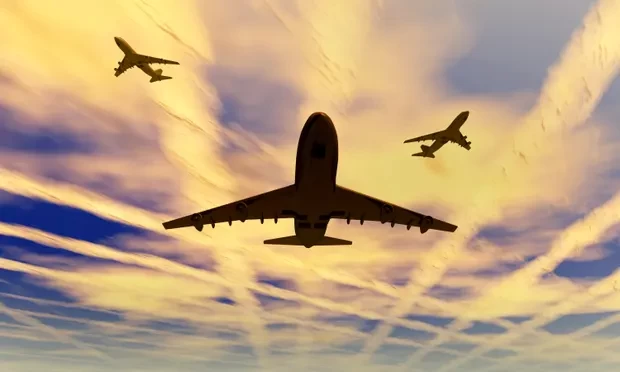
While carbon emissions from jet engines contribute to global heating, research suggests the contrails formed when water vapour and soot particles form into ice crystals have an even greater impact. These human-made clouds trap heat in the atmosphere that would otherwise escape into space.
Lobbying on vapour trails in documents obtained by openDemocracy highlights the lack of a consensus among airline executives, scientists and carbon offsetting websites over the exact climate impact of flying. It means people who wish to offset the environmental impact of their flights get significantly different prices.
The Intergovernmental Panel on Climate Change estimated in a special report in 1999 that the historic impact of aviation on the climate was two to four times greater than from its CO2 emissions alone. A 2020 study by the EU also reported that non-CO2 aircraft emissions, comprised mainly of contrails, warm the planet about twice as much as the carbon dioxide released by planes, but acknowledged there were “significant uncertainties”.
The industry argued in government submissions that the science was not “robust” enough to justify reduction targets for these non-CO2 emissions. Scientists say the climate impact of vapour trails, or contrails, has been known for more than two decades, with one accusing the industry of a “typical climate denialist strategy”.
While carbon emissions from jet engines contribute to global heating, research suggests the contrails formed when water vapour and soot particles form into ice crystals have an even greater impact. These human-made clouds trap heat in the atmosphere that would otherwise escape into space.
Lobbying on vapour trails in documents obtained by openDemocracy highlights the lack of a consensus among airline executives, scientists and carbon offsetting websites over the exact climate impact of flying. It means people who wish to offset the environmental impact of their flights get significantly different prices.
The Intergovernmental Panel on Climate Change estimated in a special report in 1999 that the historic impact of aviation on the climate was two to four times greater than from its CO2 emissions alone. A 2020 study by the EU also reported that non-CO2 aircraft emissions, comprised mainly of contrails, warm the planet about twice as much as the carbon dioxide released by planes, but acknowledged there were “significant uncertainties”.
Attached image: